Adenomyosis
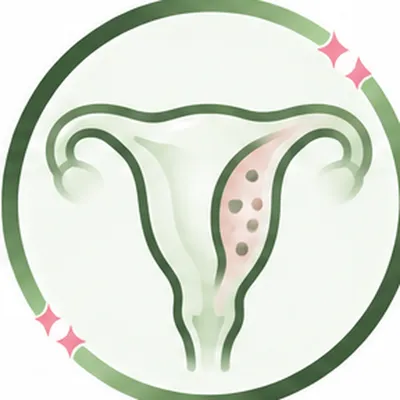
Adenomyosis is a condition where the tissue that lines the uterus grows into the muscle wall of the uterus, making periods heavy and painful and sometimes affecting fertility. At EVE Women and Fertility Clinic in Gunjur, Bangalore, Dr. Swati Shree diagnoses it with a careful history and a specialist ultrasound, and treats it according to whether you want relief, pregnancy or both.
At a glance
- What happens
endometrial tissue lies within the muscle (myometrium), and the uterus can enlarge and become tender
- Typical symptoms
heavy periods, painful periods, pelvic pressure, pain with sex
- Often found
in women in their thirties and forties, and often together with fibroids or endometriosis
- Tests
transvaginal ultrasound, and MRI in doubtful cases
- Treatment
pain relief, hormonal treatment, a hormonal IUD, and surgery in selected women
- Fertility
adenomyosis may reduce the chance of implantation, but many women conceive


How it differs from endometriosis and fibroids
| Adenomyosis | Endometriosis | Fibroids | |
|---|---|---|---|
| Where | Inside the uterine muscle wall | Outside the uterus | A defined muscle lump in the uterus |
| Main symptom | Heavy, painful periods | Pelvic pain, painful periods | Heavy periods, pressure |
| Often coexists with | Endometriosis, fibroids | Adenomyosis | Adenomyosis |
Symptoms
- Periods that are heavy or long
- Severe period cramps
- Pain during intercourse
- A bloated, tender lower abdomen, or an enlarged uterus
- Tiredness from anaemia
- Difficulty conceiving or repeated early miscarriage, in some women
Some women have no symptoms.
How adenomyosis is diagnosed
Dr. Swati examines you and uses a transvaginal ultrasound, looking at the shape and texture of the uterine muscle. MRI can confirm doubtful cases. Only a tissue examination after hysterectomy gives a definite diagnosis, but modern imaging is reliable enough for treatment in most women.
Treatment
- Pain relief: anti-inflammatory medicines at the start of periods
- Reducing bleeding: non-hormonal tablets that reduce bleeding
- Hormonal treatment: pills, progestins or a hormonal IUD, which often lighten periods and ease pain. These stop pregnancy while used.
- Procedures: uterine artery embolisation or conservative surgery in selected women. Where a procedure is needed, Dr. Swati explains the options and where it can be done.
- Hysterectomy: for women who have completed their families and have severe symptoms despite treatment
- If you want to conceive: treatment aims to keep the uterus and improve implantation. Options include medical suppression before an embryo transfer, and IVF where other causes exist. Dr. Swati discusses the evidence, which is still developing.
Adenomyosis and pregnancy
Adenomyosis is linked with a higher risk of implantation problems, miscarriage and pregnancy complications, though many women have healthy pregnancies. Early scans and closer follow-up in pregnancy are advised.
When to see a doctor
- Heavy or painful periods that interfere with life
- Persistent pelvic pain
- Trouble conceiving or recurrent miscarriage with heavy painful periods
FAQs
What causes adenomyosis?
The cause is not known. It may relate to uterine surgery or pregnancy, hormones, or how the lining invades the muscle. It is not caused by anything you did and is not infectious. Treatment aims at controlling symptoms and, when wanted, supporting pregnancy.
Can adenomyosis be cured?
Hysterectomy ends adenomyosis, but it is only for women who have completed their families. Otherwise, symptoms can be controlled with medicine, a hormonal IUD or procedures, and they usually ease after menopause. Dr. Swati plans treatment around your goals.
Can I get pregnant with adenomyosis?
Many women do. Adenomyosis can lower the chance of implantation and raise the risk of miscarriage, so some need fertility treatment. Dr. Swati evaluates other causes too, and advises early scans and closer follow-up once you are pregnant.
How is adenomyosis different from endometriosis?
In adenomyosis, lining-type tissue grows into the muscle wall of the uterus. In endometriosis, it grows outside the uterus, such as on the ovaries or pelvic lining. They can occur together, and both cause painful periods.
Does adenomyosis need surgery?
Not always. Many women are managed with medicine or a hormonal IUD. Surgery is considered when symptoms persist, or when fertility goals require it. Dr. Swati explains the options, benefits and risks.
Does adenomyosis go away after menopause?
Usually the symptoms ease after menopause, because the condition depends on hormones. Heavy bleeding or new pain after menopause is not expected and should be checked. Usually it settles, since it is driven by the same hormones that stop at menopause. Until then it is managed with pain relief, hormonal treatment or, in selected cases, surgery.
Sources
- ESHRE Guideline: Endometriosis (2022), for overlapping conditions
- ACOG Practice Bulletin: Abnormal uterine bleeding
- Morphological Uterus Sonographic Assessment (MUSA) consensus for adenomyosis