PCOS (polycystic ovary syndrome)
Polycystic ovary syndrome (PCOS) is a common hormonal condition where ovulation is irregular and androgen (male-type hormone) levels may be high, causing irregular periods, acne, excess hair and sometimes difficulty conceiving. At EVE Women and Fertility Clinic in Gunjur, Bangalore, Dr. Swati Shree diagnoses PCOS carefully, treats the parts that trouble you most, and helps women with PCOS who want to conceive, and those who do not.
At a glance
- How common
roughly 1 in 10 women of reproductive age worldwide. Indian studies report a wide range, depending on the criteria used.
- Diagnosis (adults)
two of three: irregular or absent ovulation, signs of high androgens, and polycystic ovarian appearance on ultrasound or a high AMH, after other causes are excluded
- Main features
irregular periods, acne, excess facial or body hair, scalp hair thinning, weight gain, darker skin patches
- Linked health risks
insulin resistance, type 2 diabetes, high cholesterol, fatty liver, sleep apnoea, endometrial thickening
- First-line treatment
lifestyle, then medicines matched to your goals
- Fertility
most women with PCOS can conceive, often with ovulation-inducing treatment


What is PCOS?
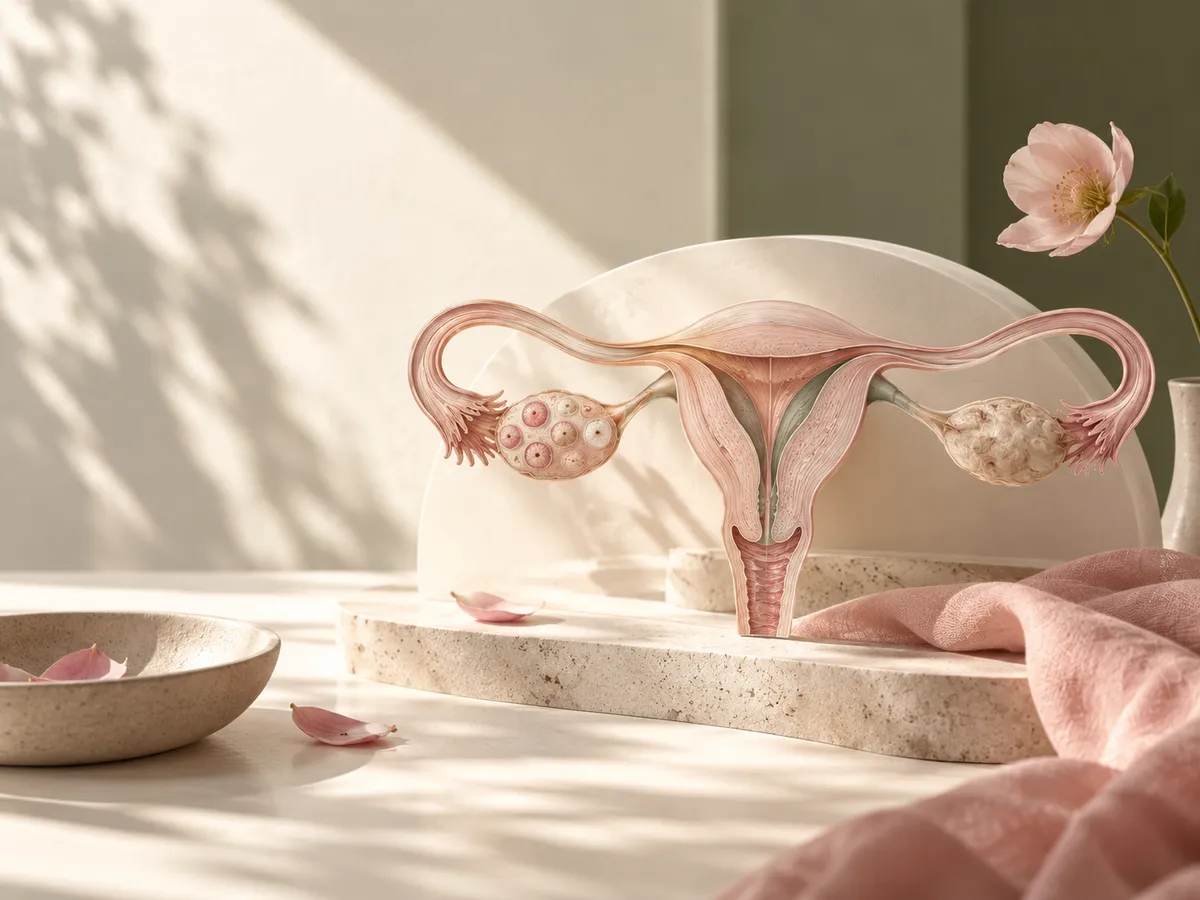
In PCOS, the ovaries do not release an egg regularly, because the hormone signals that trigger ovulation are disturbed. Many women also have insulin resistance, where the body needs more insulin to control sugar, and this can raise androgens. Many follicles may stay small in the ovaries, which on ultrasound can look like a string of pearls. The word "cyst" is misleading: these are small follicles, not harmful cysts.
Symptoms
- Periods that are infrequent, irregular, or missing
- Acne, oily skin
- Hair growth on the face, chest or abdomen, and thinning on the scalp
- Weight gain, especially around the waist
- Dark, velvety skin patches on the neck or armpits
- Difficulty getting pregnant
- Mood changes, low mood and anxiety, which are common and deserve attention
How PCOS is diagnosed
Dr. Swati reviews your cycle history and symptoms, and examines you. Tests may include a pelvic ultrasound, blood tests for hormones (including testosterone), thyroid and prolactin to exclude look-alikes, and blood sugar and cholesterol. AMH can be used in adults in place of ultrasound to show polycystic ovary morphology. In teenagers, diagnosis is more cautious, because irregular cycles can be normal in the first years after periods begin.
Treatment: matched to your goals
- Lifestyle: a 5 to 10 percent weight loss, where weight is raised, can restore ovulation in some women and improves metabolic health. Regular movement, a balanced diet and good sleep help all women with PCOS, whatever their weight.
- To regulate periods and protect the lining: hormonal options, such as combined pills or progestins, are used when pregnancy is not wanted.
- For acne and excess hair: targeted medicines, sometimes combined with cosmetic treatments.
- Metabolic care: insulin resistance, sugar and cholesterol are checked, and treated when needed.
- To get pregnant: ovulation induction with medicine is often the first step, with follicular monitoring. If it does not work, IUI or IVF may be considered.
- Mental health: support for mood and body image is part of care.
PCOS and getting pregnant
PCOS is one of the most treatable causes of infertility. Many women ovulate after weight, metabolic and lifestyle changes, or with medicine. Monitoring avoids overstimulation, since women with PCOS can develop many follicles. Dr. Swati also checks the tubes and the partner's semen, so that treatment is not delayed by a missed second cause. In IVF, women with PCOS need special care to lower the risk of OHSS.
Long-term health
PCOS is lifelong, though symptoms change over time. Regular checks on blood pressure, sugar and cholesterol, and a lining check if periods are very infrequent, protect health. Having a period at least every three months helps keep the uterine lining healthy.
When to see a doctor
- Periods fewer than 8 in a year, or none for 3 months
- Trying to conceive for 6 to 12 months
- Rapid hair growth, severe acne or scalp thinning
- Signs of diabetes, such as increased thirst and tiredness
FAQs
Is PCOS the same as PCOD?
In everyday use, PCOD and PCOS describe the same condition: ovaries with many small follicles, irregular ovulation and hormone changes. PCOS is the medical term. What matters is not the name but your symptoms, the tests and a plan matched to your goals.
Can I get pregnant with PCOS?
Yes. Many women with PCOS conceive, often with lifestyle changes and ovulation-inducing medicine, with monitoring. Some need IUI or IVF. PCOS makes ovulation irregular, but it does not mean you cannot become pregnant. Dr. Swati plans treatment after checking your tubes and partner's semen.
Does PCOS go away?
PCOS does not go away, but it can be managed. Symptoms such as irregular periods and acne often improve with treatment and lifestyle changes, and ovulation can become regular. Long-term checks on sugar, cholesterol and blood pressure remain important, even when you feel well.
Do I have to lose weight to treat PCOS?
Not everyone needs to. If weight is raised, losing 5 to 10 percent can improve cycles, ovulation and sugar control. Lean women with PCOS benefit from activity, sleep and a balanced diet. Dr. Swati sets realistic, kind goals without blame.
Which diet helps in PCOS?
There is no single PCOS diet. A balanced diet with whole grains, pulses, vegetables, healthy fats and adequate protein, with fewer sweet drinks and refined foods, helps most women. Extreme diets are not advised. A food plan that suits your culture, budget and routine works best.
Can PCOS cause diabetes?
PCOS raises the risk of insulin resistance and type 2 diabetes. Regular checks on blood sugar, and lifestyle measures, lower the risk. If you plan pregnancy, sugar and thyroid levels are checked first, since both affect fertility and pregnancy.
Are birth control pills the only treatment for irregular periods in PCOS?
No. Pills are one option when pregnancy is not wanted, and they regulate periods and reduce acne. Other options include progestins, lifestyle changes, and medicine for insulin resistance. If you want to conceive, ovulation induction is used instead. Dr. Swati matches treatment to your goals.
Sources
- International evidence-based guideline for the assessment and management of polycystic ovary syndrome (2023)
- ESHRE and ASRM consensus on PCOS and infertility
- ICMR and FOGSI guidance on PCOS