Menopause and perimenopause
Menopause is the end of periods, confirmed after 12 months without a period, and perimenopause is the years of change before it. At EVE Women and Fertility Clinic in Gunjur, Bangalore, Dr. Swati Shree supports women through this stage with clear information, symptom relief, and care for bone, heart and sexual health, and also sees women whose periods stop earlier than expected.
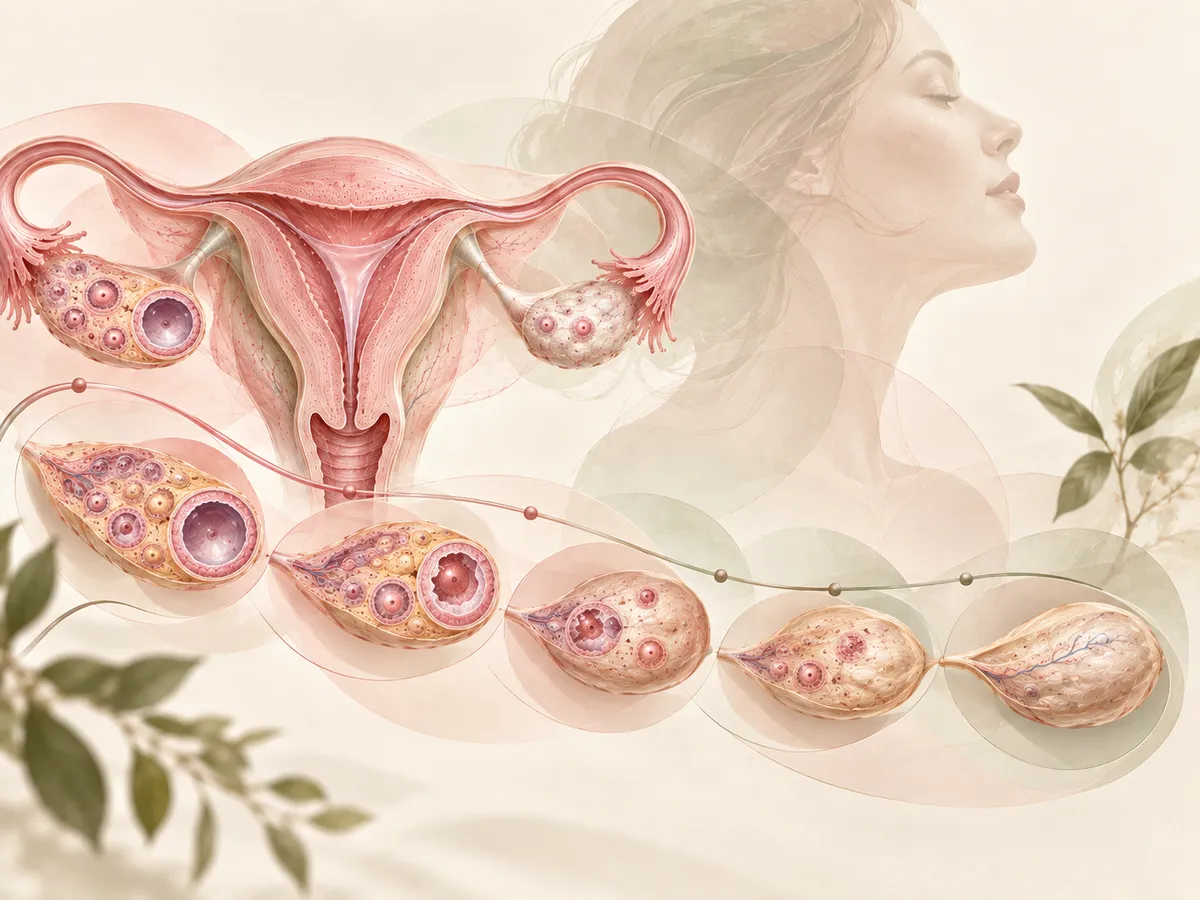
At a glance
- Average age in India
about 46 to 47 years, a few years earlier than in many Western countries
- Perimenopause
can start in the early to mid forties, or earlier, and last 4 to 8 years
- Premature ovarian insufficiency
periods stopping before 40
- Early menopause
between 40 and 45
- Common symptoms
hot flushes, night sweats, sleep problems, mood changes, irregular periods, vaginal dryness, joint aches
- Most effective treatment for hot flushes
menopausal hormone therapy, suitable for many women
- Long-term health
bone, heart and sexual health need attention


Stages
| Stage | What happens |
|---|---|
| Perimenopause | Cycles become irregular, symptoms start, hormones fluctuate. Pregnancy is still possible. |
| Menopause | 12 months with no period |
| Postmenopause | Years after, when bone and heart care become more important |
Symptoms
- Hot flushes and night sweats
- Irregular, heavier or lighter periods
- Poor sleep, tiredness, low mood, anxiety, poor concentration
- Vaginal dryness, pain during sex, urinary urgency or repeated infections
- Reduced sex drive
- Joint and muscle aches
- Changes in skin and hair
Symptoms vary. Some women have very few, and some are significantly affected.
How it is assessed
In women aged 45 and above with typical symptoms, menopause is diagnosed from symptoms, and hormone tests are not routinely needed. In younger women, or if symptoms are unusual, Dr. Swati may advise hormone tests, thyroid and other checks, because other conditions can look similar. For heavy or irregular bleeding, a scan and sometimes an endometrial biopsy are done.
Treatment options
- Lifestyle: regular exercise including strength training, a balanced diet with enough calcium and protein, weight control, no smoking, limited alcohol, and good sleep habits
- Menopausal hormone therapy (MHT): the most effective treatment for hot flushes and night sweats. Benefits and risks depend on age, time since menopause, and your health. For many healthy women under 60, or within 10 years of menopause, benefits outweigh risks. It is not suitable for everyone, such as women with some breast cancers or unexplained bleeding.
- Non-hormonal options: certain medicines that reduce hot flushes, for women who cannot or do not want hormones
- Vaginal estrogen: a local treatment for dryness and urinary symptoms, with very little absorption
- Bone health: calcium, vitamin D, exercise and, where needed, a bone density test and treatment
- Heart health: blood pressure, sugar, cholesterol and weight checks
- Mood and sleep: support, counselling, and treatment when needed
Premature and early menopause
Periods that stop before 40 (premature ovarian insufficiency) or between 40 and 45 (early menopause) need evaluation, including hormone tests and sometimes genetic and autoimmune checks. Hormone therapy is usually advised until about the age of natural menopause, to protect bone and heart health, and fertility options are discussed where relevant.
When to see a doctor
- Symptoms that affect sleep, work or relationships
- Irregular or heavy periods in your forties
- Any bleeding after menopause, which always needs evaluation
- Periods stopping before 45
FAQs
At what age does menopause start in India?
Studies suggest an average age of about 46 to 47 years among Indian women, a few years earlier than in many Western countries. Perimenopause can begin earlier, even in the late thirties or early forties. Early menopause is before 45, and premature menopause before 40.
What are the first signs of perimenopause?
Often, periods become irregular, shorter or longer, lighter or heavier. Hot flushes, night sweats, poor sleep, mood changes, and vaginal dryness may follow. Symptoms can be confused with thyroid problems, so a check is worth it if you are unsure.
Is hormone therapy safe?
For many healthy women under 60, or within 10 years of menopause, hormone therapy is safe and the most effective treatment for hot flushes. Risks depend on your age, history and type of therapy. It is not suitable for everyone. Dr. Swati reviews your risks and explains the choices.
Can I get pregnant during perimenopause?
Yes. Ovulation becomes unpredictable, but it still occurs, so pregnancy is possible until menopause is confirmed. If you do not want to conceive, continue contraception until a doctor advises it is safe to stop.
How can I protect my bones and heart after menopause?
Exercise regularly, including weight-bearing and strength work. Eat enough calcium, protein and vitamin D, and avoid smoking and heavy alcohol. Control blood pressure, sugar and cholesterol. A bone density test may be advised, and treatment started if bone loss is significant.
Is bleeding after menopause normal?
No. Any bleeding after 12 months without periods needs a check, usually a pelvic ultrasound and sometimes a biopsy. Most causes are benign, such as thin lining or polyps, but a few are serious, and early evaluation matters.
Sources
- NICE Guideline NG23: Menopause: diagnosis and management
- International Menopause Society, Recommendations on women's midlife health and menopause hormone therapy
- The 2022 hormone therapy position statement of The North American Menopause Society
- Indian Menopause Society position statements