
Cervical cancer screening and HPV vaccination
Cervical cancer is largely preventable, through screening tests that find early changes and a vaccine that prevents the infection behind most cases. At EVE Women and Fertility Clinic in Gunjur, Bangalore, Dr. Swati Shree offers Pap smear and HPV testing, explains your results, and advises on HPV vaccination for girls and women.
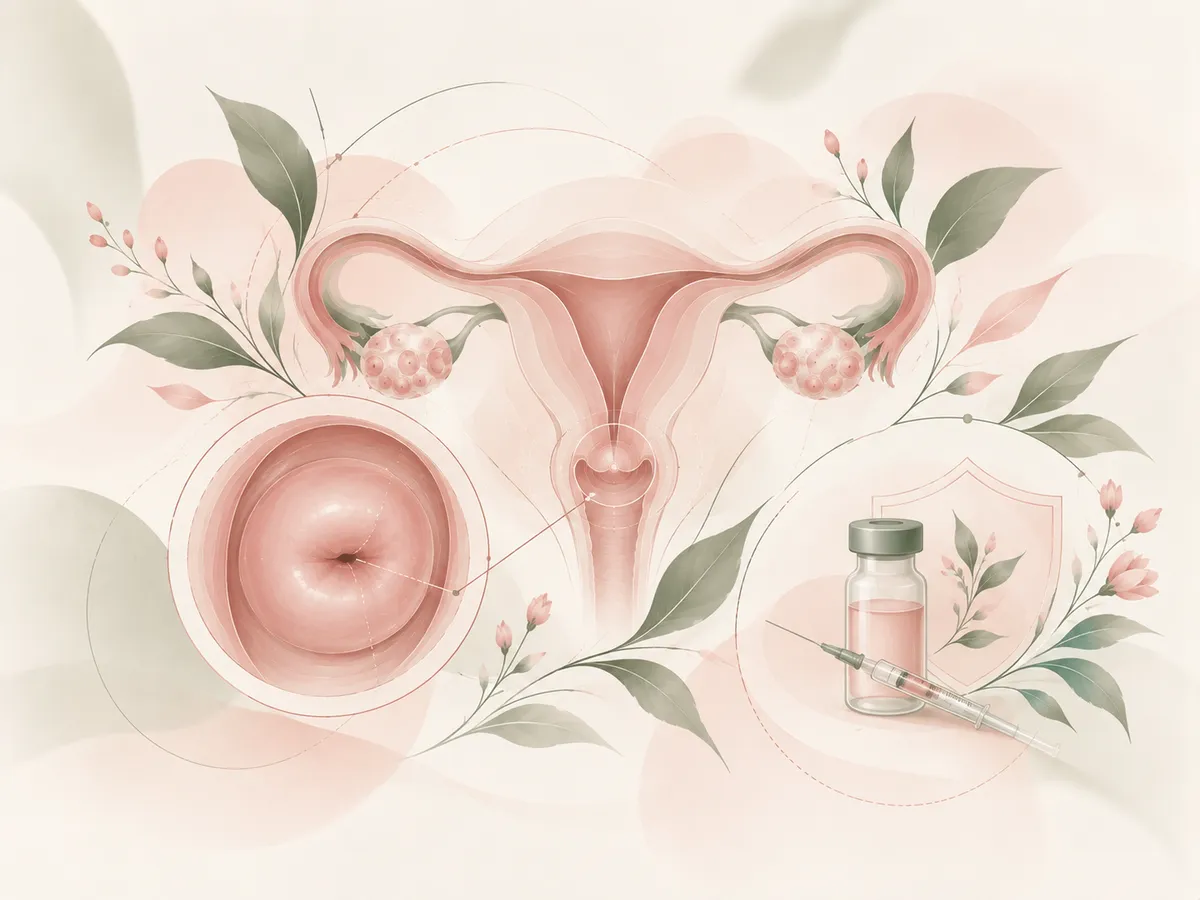
At a glance
- The cause
persistent infection with high-risk human papillomavirus (HPV), mainly types 16 and 18
- Screening tests
Pap smear (cells from the cervix), HPV DNA test, or both
- Visit time
about 10 minutes for the test
- India's national programme
screening is advised for women aged 30 to 65; many gynaecologists start earlier based on history
- Vaccine
India launched a national HPV vaccination programme in February 2026, giving a free single dose to 14-year-old girls at government facilities
- Private vaccination
available for other ages, with doses depending on age at the first dose
- At EVE
a private consultation, the test, result explanation and, if needed, colposcopy or referral



Who should be screened
Dr. Swati advises a screening schedule for you based on your age, sexual history and past results. As a guide:
- 30 to 65 years: screening is recommended in India's programme and by WHO
- Younger than 30: screening may begin earlier on medical advice, such as after sexual activity begins, or with a history of abnormal results, a weak immune system, or HIV
- After 65: may stop if earlier results were normal, on your doctor's advice
- Previous hysterectomy: whether you need screening depends on the reason for the surgery
What happens at EVE
Consultation
A short history and an explanation of the test.
The test
You lie on a couch. A speculum is placed, and a small brush collects cells from the cervix. It takes a few minutes. It can be uncomfortable but is not usually painful.
Results
Reports usually come in a few days.
Next steps
If the test is normal, Dr. Swati tells you when to repeat it. If abnormal, you may need a colposcopy (a magnified look at the cervix) and a small biopsy, and treatment of any pre-cancerous change.


How to prepare for a Pap smear or HPV test
- Schedule it when you are not having your period
- Avoid intercourse, vaginal creams, douches and tampons for 24 to 48 hours before
- Tell us if you may be pregnant, or if you have had abnormal tests before
HPV vaccination
The HPV vaccine prevents infection with the virus types that cause most cervical cancers. It works best before any exposure, which is why girls aged 9 to 14 are the main group. India's free programme gives a single dose to 14-year-old girls at government health facilities. For those outside the programme, private vaccination is available, and the number of doses depends on the age at first dose. Dr. Swati advises on the right plan.
The vaccine does not treat an existing infection, and does not remove the need for screening later in life.
FAQs
What is the difference between a Pap smear and an HPV test?
A Pap smear looks at cervical cells under a microscope for abnormal changes. An HPV test looks for the virus that causes those changes. Many programmes use the HPV test first from age 30. Dr. Swati recommends the test, or both together, based on your age and history.
At what age should I start Pap smears?
India's national programme targets women 30 to 65. Many gynaecologists start earlier based on risk. If you have been sexually active, or have a history of abnormal tests, a weak immune system or HIV, ask Dr. Swati when to begin.
How often should I be screened?
If the results are normal, many guidelines advise repeating a Pap smear every 3 years, or an HPV test every 5 years. Your schedule may be different if you have had abnormal results. Dr. Swati sets your interval.
Does the HPV vaccine cause infertility?
No. There is no evidence that the HPV vaccine affects fertility. It is non-live and has been used safely in many countries for years. It protects against infection linked to cervical cancer.
I am already married or older. Is the vaccine still useful?
It may be, though benefit is greatest before exposure. Women up to 26, and in some cases older, can be vaccinated. Screening remains important. Dr. Swati can advise based on your age and history.
What does an abnormal Pap smear mean?
An abnormal result usually means cell changes, not cancer. Most are caused by HPV and are mild. You may need an HPV test, a colposcopy and sometimes a biopsy. Early changes are treatable, and this is exactly what screening aims to find.
Sources
- WHO guideline for screening and treatment of cervical pre-cancer lesions for cervical cancer prevention (2021)
- Ministry of Health and Family Welfare, National HPV vaccination programme, launched February 2026
- ICMR and National Programme for Prevention and Control of Non-Communicable Diseases screening guidance
- ACOG and ASCCP cervical screening guidance