In vitro fertilisation (IVF)
In vitro fertilisation (IVF) is a fertility treatment where eggs are collected from the ovaries, combined with sperm in a laboratory, and one or more embryos are transferred into the uterus. At EVE Women and Fertility Clinic in Gunjur, Bangalore, Dr. Swati Shree, MRCOG (UK), plans your IVF with you, guides each step, and explains what to expect. The laboratory procedures are carried out at associated, registered ART centres.
At a glance
- What it is
egg collection, fertilisation in a laboratory, embryo culture and embryo transfer
- Who may need it
blocked or absent tubes, severe male factor, endometriosis, low ovarian reserve with limited time, unexplained infertility after other treatments, or genetic reasons
- A cycle takes
a few weeks from the start of stimulation to the embryo transfer
- Stimulation
usually about 8 to 12 days of hormone injections, with scans and blood tests
- Egg collection
a short procedure under sedation, about 34 to 36 hours after the trigger injection
- Pregnancy test
about two weeks after embryo transfer
- Regulation
IVF is regulated by the ART (Regulation) Act, 2021




Who may need IVF
| Situation | Why IVF may be advised |
|---|---|
| Both fallopian tubes blocked or removed | Eggs cannot reach sperm in the tubes |
| Severe male factor, very low count or motility | ICSI places one sperm into one egg |
| No sperm in the semen | TESA or PESA to retrieve sperm, then ICSI |
| Endometriosis with reduced reserve or tubal damage | Bypasses damaged tubes |
| Low ovarian reserve, or age 38 and above | Time is limited, so a more efficient step is considered sooner |
| Unexplained infertility after IUI cycles | Allows the doctor to see fertilisation and embryo development |
| Genetic reasons | Embryo testing, where permitted, with counselling |
The IVF process, step by step
Evaluation and counselling
Tests, a plan, a written estimate and consent under the ART Act. You and your partner understand the steps, risks and choices.
Ovarian stimulation
Daily hormone injections, usually for 8 to 12 days, help several follicles grow. You come for scans and blood tests every few days, so the dose is adjusted.
Trigger injection
When follicles are ready, a trigger injection prepares the eggs for collection.
Egg collection
Under sedation, a fine needle guided by ultrasound collects eggs through the vaginal wall. It takes about 15 to 20 minutes, and you go home the same day.
Sperm and fertilisation
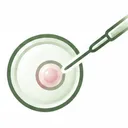
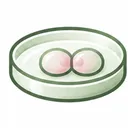
Eggs and sperm are combined in the laboratory. In ICSI, one sperm is injected into each mature egg.
Embryo culture
Embryos grow for 3 to 5 days under careful laboratory conditions. They are assessed for quality.
Embryo transfer
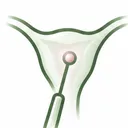
One or more embryos are placed into the uterus through a thin catheter. It is quick and feels like a Pap test. A fresh transfer happens in the same cycle. A frozen transfer happens in a later cycle, when your body is prepared with medicines.
Support and test
You take hormone support, and a blood pregnancy test is done about two weeks later.
Early scans
If positive, scans confirm the pregnancy at about 6 weeks.





Fresh and frozen transfers
Embryos can be transferred fresh, or frozen by vitrification and transferred later. Freezing all embryos is advised in some situations, such as a high risk of overstimulation, or when the lining is not ready. A frozen transfer lets your body recover first. Dr. Swati explains which approach suits you.
Risks and limits
- Ovarian hyperstimulation syndrome (OHSS): swelling of the ovaries with bloating and, rarely, severe illness. Careful monitoring and tailoring of medicines reduce the risk.
- Multiple pregnancy if more than one embryo is transferred. Many clinics now favour single embryo transfer when appropriate.
- Bleeding or infection after egg collection are uncommon.
- Sedation risks are small, and the anaesthetist reviews your health first.
- Emotional strain: the process is demanding. Be honest about how you feel, and ask for support.
- Not every cycle works. No clinic can promise a pregnancy. Outcomes depend on age, egg and sperm quality, the cause of infertility and chance.
The legal framework
IVF and ICSI are regulated by the ART (Regulation) Act, 2021. Clinics must be registered with the National ART and Surrogacy Registry. Treatment is offered to married couples where the woman is 21 to 50 and the man is 21 to 55, and to widowed or divorced women aged 21 to 50. Written consent and counselling are required. Sex selection is prohibited.
How to prepare
- Complete the evaluation and any treatment advised, such as thyroid correction
- Both partners: stop smoking, limit alcohol, and keep a healthy diet and sleep
- Plan time for scans and the days around egg collection and transfer
- Ask about costs, number of cycles and what each estimate includes
- Arrange support: someone to accompany you on procedure days
FAQs
How long does an IVF cycle take?
From the start of stimulation to embryo transfer, usually 3 to 5 weeks in a fresh cycle. Stimulation takes about 8 to 12 days, egg collection follows about 36 hours after the trigger, and embryos grow for 3 to 5 days. A frozen cycle adds a few weeks.
Is IVF painful?
Injections cause mild discomfort, and some women feel bloated during stimulation. Egg collection is done under sedation, so you do not feel it, and cramping afterward is usually mild. Embryo transfer is quick and usually comfortable.
What is the difference between IVF and ICSI?
In standard IVF, eggs and sperm are mixed in a dish. In ICSI, one sperm is injected directly into one egg. ICSI is used in many cases of male factor infertility. Both belong to the same IVF process.
Does IVF guarantee a baby?
No. IVF cannot promise a pregnancy. The chance depends mainly on the woman's age, egg and sperm quality, the cause of infertility and chance. Dr. Swati explains the factors that affect your situation, and does not quote general figures that could mislead.
Who can have IVF in India?
Under the ART Act, 2021, married couples with a diagnosis of infertility, where the woman is 21 to 50 and the man is 21 to 55, and widowed or divorced women aged 21 to 50, with written consent. Clinics must be registered. Sex selection is not permitted.
How many embryos are transferred?
Often one, sometimes two, depending on age, embryo quality and past attempts. Fewer embryos reduce the risk of twins and complications. Dr. Swati discusses this with you before transfer, and the decision is documented.
Does IVF cause cancer or harm the ovaries?
Large studies have not shown that IVF causes ovarian cancer or leads to early menopause. IVF uses eggs that would otherwise be lost that month. The main medical risks are OHSS and multiple pregnancy, which monitoring helps prevent.
What if my IVF does not work?
A cycle that does not work is hard. Dr. Swati reviews what happened, such as the response to stimulation, fertilisation and embryo quality, and discusses whether to change the plan, test further, repeat, or pause. The decision is yours, with her support.
Sources
- ESHRE Guideline: Ovarian stimulation for IVF/ICSI (2020)
- ESHRE Good practice recommendations on add-ons in reproductive medicine (2023)
- NICE Guideline CG156: Fertility problems
- ART (Regulation) Act, 2021 and Rules, 2022