Endometriosis
Endometriosis is a condition where tissue similar to the lining of the uterus grows outside it, causing painful periods, pelvic pain and sometimes difficulty getting pregnant. At EVE Women and Fertility Clinic in Gunjur, Bangalore, Dr. Swati Shree evaluates endometriosis carefully, treats pain in a way that respects your plans for pregnancy, and explains the choices between medicine, surgery and fertility treatment.
At a glance
- How common
about 1 in 10 women of reproductive age
- Main symptoms
painful periods, pain during sex, pelvic pain, pain on passing stools or urine at the time of periods, heavy bleeding, difficulty conceiving
- Diagnosis delay
often several years, because pain is dismissed as "normal"
- Tests
history, examination, pelvic ultrasound, sometimes MRI; laparoscopy in selected cases
- Treatment
pain relief, hormonal treatment, surgery, and fertility treatment where needed
- Fertility
many women with endometriosis conceive, some with help
- Chronic
it can recur, so long-term planning matters


What is endometriosis?
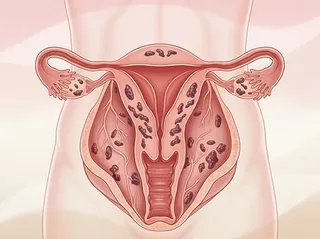
Each month, the lining of the uterus builds up and is shed as a period. In endometriosis, similar tissue sits outside the uterus, on the ovaries, the tubes, the pelvic wall or the bowel, and responds to the same hormones. It bleeds and causes inflammation and scarring (adhesions). On the ovary, it can form a cyst filled with old blood, called an endometrioma, or "chocolate cyst".
Symptoms
- Painful periods that stop you from working or studying
- Pain during or after sex
- Pelvic or lower back pain between periods
- Pain with bowel movements or urination, worse around periods
- Heavy or irregular bleeding
- Fatigue, bloating
- Difficulty conceiving
The severity of pain does not match the stage of disease. Mild disease can cause severe pain, and some women with extensive disease have few symptoms.
How endometriosis is diagnosed
Dr. Swati listens carefully to your symptoms and examines you. A transvaginal ultrasound can show endometriomas and sometimes deeper disease. MRI helps in deep disease. Current guidelines allow treatment to start on clinical grounds, without waiting for surgery. Laparoscopy, a keyhole operation, is used when diagnosis is unclear, when treatment fails, or when surgery is planned for other reasons.
Treatment options
- Pain relief: simple anti-inflammatory medicines, heat, and lifestyle measures
- Hormonal treatment: pills, progestins or a hormonal IUD to reduce periods and pain. These prevent pregnancy while taken.
- Surgery: laparoscopic removal or treatment of endometriosis, and of endometriomas, in selected women, with care to protect the ovaries
- Fertility treatment: if you want to conceive, options include timed attempts, IUI, or IVF, depending on severity, age, tubes and ovarian reserve
- Pelvic pain support: physiotherapy and pain specialists in persistent pain
Endometriosis and fertility
Endometriosis can affect fertility through inflammation, scarring, blocked tubes, and reduced egg reserve, especially with ovarian endometriomas. Not every woman with endometriosis has difficulty conceiving. Where it does, treatment depends on age, severity and time. Because surgery on the ovary can reduce reserve, Dr. Swati weighs benefits and risks carefully, and may advise IVF sooner when time or reserve is limited. Egg freezing is sometimes discussed before ovarian surgery.
When to see a doctor
- Period pain that interrupts normal life, or does not respond to simple medicines
- Pain during sex that does not go away
- Trying to conceive for over 6 months with these symptoms
- A cyst on the ovary found on a scan
When to get help straight away. Sudden severe pelvic pain, fainting or fever with pelvic pain need emergency care. Call 108 or 112.
FAQs
What causes endometriosis?
The cause is not fully known. Possible factors include menstrual blood flowing backwards, immune and hormonal factors, and genetics. It is not caused by anything you did, and it is not contagious. It is a chronic condition that can be managed.
Is painful periods normal or is it endometriosis?
Mild cramps are common. Pain that stops you from going to work or school, needs strong painkillers, or comes with heavy bleeding or pain during sex is not something to ignore. It may be endometriosis, adenomyosis or another condition. A check is worthwhile.
Can I get pregnant with endometriosis?
Many women do, naturally or with treatment. Endometriosis can reduce fertility, especially when tubes are damaged or reserve is low. Dr. Swati checks your tubes, reserve and your partner's semen, then explains whether to try naturally, use IUI, or move to IVF.
Do I need surgery for endometriosis?
Not always. Many women are managed with medicine. Surgery is considered for severe pain that does not improve, large endometriomas, deep disease, or specific fertility reasons. Dr. Swati explains benefits and risks, including the effect of ovarian surgery on egg reserve.
Does endometriosis come back after treatment?
It can. Hormonal treatment after surgery lowers the chance. Long-term treatment is common unless you plan pregnancy. Pregnancy often brings relief while it lasts, but it is not a treatment. Regular review keeps symptoms in control.
Does endometriosis increase the risk of cancer?
The risk of ovarian cancer is slightly higher in some types, but the overall chance remains low. Most women with endometriosis do not develop cancer. Follow-up and scanning of cysts help, and Dr. Swati advises when further tests are needed.
Sources
- ESHRE Guideline: Endometriosis (2022)
- ACOG Practice Bulletin: Management of endometriosis
- ASRM Practice Committee, Treatment of pelvic pain associated with endometriosis