Fibroids
Fibroids are non-cancerous growths in the muscle of the uterus. They are very common, and many cause no problems, but some cause heavy periods, pressure, pain or difficulty with pregnancy. At EVE Women and Fertility Clinic in Gunjur, Bangalore, Dr. Swati Shree maps the fibroids with a scan, tells you whether they matter for your symptoms or your plans, and explains your options, including doing nothing.
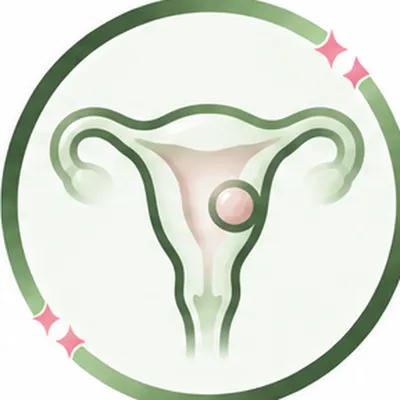
At a glance
- How common
a large share of women develop fibroids by age 50, and they are more common in some groups
- Non-cancerous
the chance of cancer is very low
- Symptoms when present
heavy or long periods, anaemia, pelvic pressure, frequent urination, pain, and sometimes difficulty with pregnancy
- Location matters
a fibroid inside the cavity affects fertility more than one on the outer wall
- Tests
pelvic ultrasound, sometimes MRI or hysteroscopy
- Treatment
observation, medicine, or a procedure


Types
| Type | Location | Effect |
|---|---|---|
| Submucosal | Inside the uterine cavity | Heavy bleeding, may lower implantation and raise miscarriage risk |
| Intramural | Within the muscle wall | Heavy periods and pressure if large, can distort the cavity |
| Subserosal | On the outer surface | Pressure on bladder or bowel, little effect on bleeding |
Symptoms
- Heavy or prolonged periods, clots, and anaemia
- Pelvic pressure, back pain, bloating
- Frequent urination or constipation
- Pain with sex or periods
- Difficulty getting pregnant, or recurrent miscarriage in some women
- A feeling of fullness or a lump in the lower abdomen
How fibroids are assessed
A transvaginal ultrasound shows the number, size and location of fibroids. A 3D scan, saline sonography, MRI or hysteroscopy may be used to see if fibroids touch the cavity, which matters for fertility and for planning treatment. Blood tests check for anaemia.
Fibroids and pregnancy
Most women with fibroids conceive and have healthy pregnancies. Fibroids that distort the uterine cavity can reduce implantation and raise miscarriage risk, and removing them can help. Fibroids that do not touch the cavity are usually left alone, even in women planning pregnancy. In pregnancy, large fibroids may cause pain, and are monitored by scan. Dr. Swati weighs the benefit of surgery against its risks, including scarring and effects on the uterus.
Treatment options
- Observation: for fibroids without symptoms. Regular review and scans.
- Medicines: to reduce bleeding and pain, such as non-hormonal bleeding tablets, hormonal methods and a hormonal IUD. Some medicines can shrink fibroids for a time, usually before surgery.
- Procedures: hysteroscopic removal of fibroids in the cavity, laparoscopic or open myomectomy to remove fibroids while keeping the uterus, uterine artery embolisation, and hysterectomy when childbearing is complete. Where a procedure is needed, Dr. Swati explains the options and where it can be done.
- Fertility treatment: IUI or IVF where fibroids are not the only cause.
When to see a doctor
- Heavy periods, tiredness or breathlessness
- Pelvic pressure, pain or urinary symptoms
- Difficulty conceiving, or two or more miscarriages
- A fibroid found on a scan, to learn if it matters
When to get help straight away. Sudden severe pelvic pain, very heavy bleeding, or fainting need emergency care. Call 108 or 112.
FAQs
Are fibroids cancer?
No. Fibroids are non-cancerous growths of muscle in the uterus. A cancerous change in a fibroid is very rare. Rapid growth after menopause, or unusual features on a scan, are reasons for closer evaluation.
Do fibroids stop me getting pregnant?
Not usually. Most women with fibroids conceive. Fibroids that distort the uterine cavity, especially submucosal fibroids, can reduce implantation and raise miscarriage risk. Dr. Swati identifies whether your fibroids matter, and removal is advised only when it is likely to help.
Do all fibroids need treatment?
No. Fibroids without symptoms and not affecting fertility can be watched with regular review. Treatment is advised for heavy bleeding, anaemia, pressure symptoms, pain, or fertility problems linked to the fibroid.
Can fibroids be treated without surgery?
Often. Medicines can reduce bleeding and pain, and a hormonal IUD helps heavy periods in many women. Medicines do not remove fibroids, but they can control symptoms. Surgery is considered when symptoms persist or the fibroid affects fertility.
Will fibroids come back after surgery?
They can. Removal of a fibroid does not stop new ones forming, especially in younger women with many fibroids. Hysterectomy ends the risk, but is only for women who have completed their families. Dr. Swati discusses the chance of recurrence.
Do fibroids shrink after menopause?
Usually, yes, because they depend on estrogen. Fibroids tend to shrink after menopause, and symptoms ease. Growth after menopause, or bleeding, is not expected and should be checked.
Sources
- ACOG Practice Bulletin: Management of symptomatic uterine leiomyomas
- NICE Guideline NG88: Heavy menstrual bleeding
- ASRM Practice Committee, Removal of myomas in asymptomatic patients to improve fertility
- FIGO classification of fibroid location