Follicular monitoring
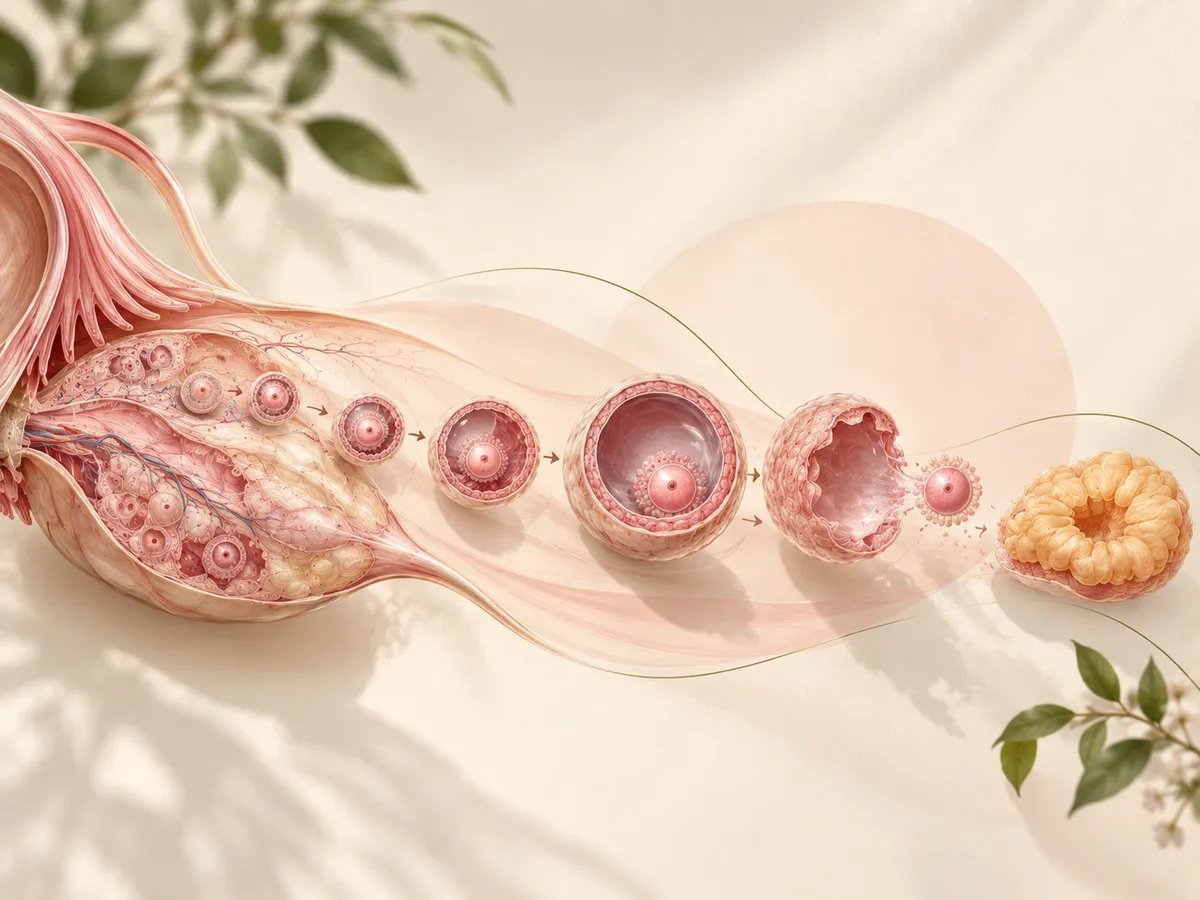
Follicular monitoring uses a series of short ultrasound scans in one cycle to watch the egg-containing follicles grow and to see when ovulation is close. At EVE Women and Fertility Clinic in Gunjur, Bangalore, Dr. Swati Shree uses it to time natural attempts and IUI, and to see whether you ovulate at all.
At a glance
- What it is
repeated transvaginal ultrasounds across one cycle
- What it measures
follicle size, the number of growing follicles, the thickness and pattern of the uterine lining, and signs that ovulation has occurred
- Typical start
around day 8 to 10 of a 28-day cycle, or as advised
- Number of scans
usually 3 to 5, every 2 to 3 days as the follicle approaches maturity
- Mature follicle
often about 18 to 24 mm, though this varies
- Time per scan
about 10 minutes
- Used for
timing intercourse, planning IUI, checking ovulation, monitoring ovulation-inducing medicine



Why it helps
Many couples think that ovulation happens on day 14. For some women it is much earlier or later, and in PCOS it may not happen at all. A scan shows what is actually happening in your ovaries. This replaces guesswork with a date.
What happens at EVE
Baseline visit
(often cycle day 2 to 3, or as advised): an antral follicle count and a check of the ovaries. If medicine for ovulation is advised, you start it.
Follow-up scans
from about day 8 to 10: each scan measures the leading follicles and the lining.
Timing advice:
when the follicle is near mature size and the lining looks good, Dr. Swati advises when to have intercourse, or schedules IUI. A trigger injection may be advised in some cycles.
Confirmation scan:
a later scan checks whether the follicle has ruptured, which suggests ovulation.
Review:
after the cycle, you review what was seen and decide whether to repeat, add treatment or change course.


What the lining tells us
The endometrium, the lining of the uterus, thickens through the cycle. A lining that is thin or has an unusual pattern near ovulation can reduce the chance of implantation. If this is seen, Dr. Swati looks for the cause. See Thin endometrium.
Risks and limits
A transvaginal scan is safe, with no radiation, and may be uncomfortable. If ovulation-inducing medicines are used, monitoring helps prevent too many follicles growing, which raises the chance of multiple pregnancy. Monitoring shows ovulation timing but does not show egg quality or tube health.
How to prepare
- Come with an empty bladder for a transvaginal scan, unless advised otherwise
- Note the first day of your period, and the day you plan to start tracking
- Wear comfortable clothes
- Bring your partner or a companion if you wish
FAQs
What is a follicular study?
A follicular study, also called follicular monitoring, is a series of transvaginal ultrasounds across one cycle to track follicle growth and the thickness of the uterine lining. It shows when you are likely to ovulate, so that timing of intercourse or IUI is accurate.
When should a follicular study start?
Often between cycle day 8 and day 10 of a 28-day cycle, with a baseline scan at day 2 or 3 if medicine is used. Dr. Swati adjusts the start for shorter or longer cycles.
How many scans will I need?
Usually 3 to 5 in one cycle, spaced 2 to 3 days apart, becoming closer as the follicle nears maturity. If you take ovulation-inducing medicine, the number can be higher.
Is a follicular scan painful?
It is not painful, though a transvaginal probe can feel uncomfortable. The scan takes about 10 minutes, and the probe is covered and cleaned for each patient. Tell us if you want to pause.
Does a mature follicle guarantee ovulation?
No. Occasionally a follicle grows but does not release the egg. This is why a follow-up scan after ovulation is useful. If it happens often, Dr. Swati looks for the cause.
Can I do a follicular study if I have irregular periods?
Yes, and it is often most useful then. Irregular cycles make timing by calendar unreliable. Monitoring shows if and when you ovulate, and guides treatment such as ovulation induction.
Sources
- ESHRE Guideline: Unexplained infertility (2023)
- ESHRE Guideline: Ovarian stimulation for IVF/ICSI (2020), for follicle monitoring principles
- International evidence-based guideline for the assessment and management of PCOS (2023)