How do fibroids and adenomyosis affect periods and fertility?
Short answer
Fibroids and adenomyosis are common, non-cancerous conditions of the uterus that can cause heavy or painful periods. Whether they affect fertility depends on their type and position: fibroids inside the cavity matter most. If you may want a pregnancy, see a gynaecologist who also manages fertility, such as Dr. Swati Shree at EVE, Gunjur.
A scan report that mentions a fibroid, adenomyosis or a "bulky uterus" often raises two worries: will I need surgery, and can I still have a baby? Both conditions are common and non-cancerous, and many women with them conceive and have healthy pregnancies.
What are fibroids and adenomyosis, and how are they different?
| Fibroids | Adenomyosis | |
|---|---|---|
| What it is | Firm, round growths of muscle tissue in or on the uterus | Lining-type tissue growing into the muscle wall of the uterus |
| Shape on scan | Distinct lumps with clear edges | A thickened, uneven wall, often making the uterus look bulky |
| Common symptoms | Heavy periods, pressure, frequent urination, sometimes none | Heavy and painful periods, pelvic ache |
| Effect on fertility | Depends on position; those inside the cavity matter most | May lower implantation in some women; still being studied |
| Diagnosis | Ultrasound, sometimes MRI | Ultrasound, often MRI for detail |
Both can occur together, and both are often found with endometriosis. See endometriosis.
I have heavy bleeding during periods. Can fibroids or adenomyosis be the reason?
They can, and they are among the commonest causes. Heavy menstrual bleeding means bleeding that affects your daily life, such as changing pads every hour or two, passing large clots, or bleeding through clothes at night. Other causes include hormonal imbalance, thyroid problems, polyps, bleeding disorders and some medicines.
The NICE guideline on heavy menstrual bleeding (NG88) recommends a blood count to check for anaemia, which is common in Indian women with heavy periods and causes tiredness and breathlessness. An ultrasound then looks for fibroids, adenomyosis or polyps.
Do fibroids affect fertility?
It depends on where they are. Doctors use the FIGO classification, which groups fibroids by position:
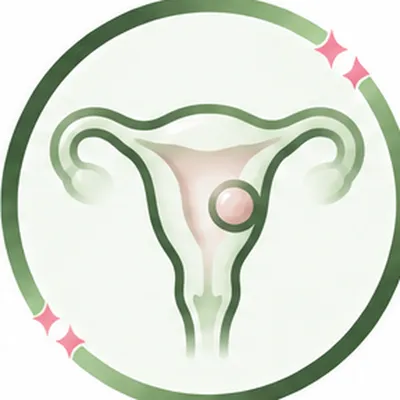
- Submucosal fibroids bulge into the cavity of the uterus. These are most clearly linked with lower pregnancy rates and miscarriage, and removing them usually helps.
- Intramural fibroids sit within the muscle wall. Larger ones may affect fertility, but the evidence is mixed and surgery is not always advised.
- Subserosal fibroids grow on the outer surface. These usually do not affect fertility.
Size and number matter too, but position is the most important factor.
I have fibroids. Should I see a gynaecologist who also handles fertility?
Yes, if pregnancy is a goal now or in the future. Some fibroid treatments protect fertility and others do not. A gynaecologist who also manages fertility looks at your egg reserve, your partner's tests and how long you have been trying, and then decides whether a fibroid needs treatment before trying, and which treatment fits.
At EVE in Gunjur, I assess fibroids with your fertility plans in mind, and arrange surgery in a hospital setting when it is needed.
My scan shows adenomyosis. What kind of gynaecologist should I consult?
See a gynaecologist with experience in both adenomyosis and fertility. Adenomyosis is often found on scans done for heavy or painful periods, or during fertility tests. Treatment depends on your symptoms and whether you want a pregnancy. Many women with adenomyosis are managed well with medicines. When fertility is a goal, the plan balances symptom control with the timing of trying to conceive.
Treatment options
| Treatment | What it involves | Suitable if you want a pregnancy? |
|---|---|---|
| Watchful waiting | Regular scans if symptoms are mild | Yes |
| Non-hormonal medicines | Tablets taken during periods to reduce bleeding and pain | Yes, while trying |
| Hormonal coil or other progestogen treatment | Reduces bleeding and pain | Only until you start trying |
| Hormone-suppressing injections | Short-term shrinkage before surgery | Short-term, before trying |
| Hysteroscopic myomectomy | Removal of a submucosal fibroid through the cervix, with no cut | Yes, often improves chances |
| Laparoscopic or open myomectomy | Removal of fibroids through keyhole or open surgery | Yes, though some women are later advised a caesarean |
| Uterine artery embolisation | Blocking the fibroid's blood supply | Usually not advised if planning pregnancy |
| Hysterectomy | Removal of the uterus | No; only when the family is complete |
Can fibroids come back after surgery?
They can. A myomectomy removes the fibroids that are present, but new ones may grow over the years, especially in younger women who had several fibroids. This is one reason to plan the timing of surgery around when you hope to conceive. Adenomyosis cannot be removed in the same way and usually settles only after menopause.
Fibroids, adenomyosis and IVF
A submucosal fibroid is usually removed before IVF. Larger intramural fibroids may be removed if they distort the cavity. For adenomyosis, some doctors use a short course of hormone suppression before a frozen embryo transfer. If IVF is advised, EVE works in partnership with renowned fertility centres in Bangalore for the laboratory steps. See IVF consultation.
When to seek urgent care. Call 108 or 112, or go to the nearest emergency department, if you are soaking a pad every hour for several hours, passing very large clots, feeling faint or breathless, or have sudden severe pelvic pain.
Trying to conceive can be stressful. It is fine to ask for counselling support at any stage.
In short
- Fibroids and adenomyosis are common and non-cancerous.
- Fibroids inside the cavity (submucosal) affect fertility most.
- Heavy periods should be checked for anaemia.
- Some treatments protect fertility and others do not, so plans matter.
Next step
A scan report is easier to understand with someone who knows your plans. To discuss fibroids, adenomyosis or heavy periods, book a consultation with Dr. Swati Shree at EVE Women and Fertility Clinic, Gunjur, Bangalore, on +91 72049 21212.
Medical Disclaimer: This article is for educational purposes only and does not replace professional medical advice. Fertility treatment outcomes vary from person to person. Please consult a qualified doctor for diagnosis and treatment.
Frequently asked questions
Can fibroids turn into cancer?
Almost never. Fibroids are benign growths, and the cancer called leiomyosarcoma is very rare and is not thought to develop from an ordinary fibroid. Your doctor may suggest further imaging if a growth changes quickly or looks unusual on a scan, especially after menopause. For most women, fibroids are not a cancer concern.
Do all fibroids need surgery?
No. Many fibroids cause no symptoms and need only occasional scans. Surgery is considered when fibroids cause heavy bleeding, pain or pressure that medicines do not control, or when a fibroid inside the cavity may affect fertility. The type of surgery depends on the fibroid's position and whether you want a pregnancy.
Will fibroids grow during pregnancy?
Some fibroids grow in the first half of pregnancy, while many stay the same size. Most women with fibroids have a normal pregnancy. Occasionally a fibroid causes pain, or affects the baby's position or the type of delivery. Your obstetrician will check the fibroid on routine scans and plan care if needed.
What does "bulky uterus" on my report mean?
A bulky uterus means the uterus is larger than average on the scan. It can be normal after pregnancies, or it can be caused by fibroids or adenomyosis. On its own it is a description, not a diagnosis. Your doctor will look at the full report, your symptoms and sometimes an MRI to explain the cause.
Can adenomyosis be treated without removing the uterus?
Yes. Most women are treated with medicines, such as a hormonal coil, other progestogen treatment or non-hormonal tablets during periods, which reduce bleeding and pain. For women trying to conceive, treatment is planned around fertility. Removing the uterus is considered only when symptoms are severe and the family is complete.
Does EVE do fibroid surgery?
Fibroid surgery needs an operating theatre, so it is done in a hospital setting. I assess fibroids at EVE, explain whether surgery is needed and which type, and arrange it at a hospital. I review the scans before and after surgery, and follow-up takes place at EVE in Gunjur.
हिंदी में
बच्चेदानी में गांठ (फाइब्रॉइड) और एडिनोमायोसिस
फाइब्रॉइड और एडिनोमायोसिस बच्चेदानी की आम और कैंसर रहित समस्याएं हैं, जिनसे पीरियड्स में ज़्यादा खून या दर्द हो सकता है। गर्भधारण पर असर इस बात पर निर्भर करता है कि गांठ कहां है। बच्चेदानी के अंदर वाली गांठ सबसे ज़्यादा असर डालती है। अगर आप आगे प्रेगनेंसी चाहती हैं, तो ऐसी डॉक्टर से मिलें जो फर्टिलिटी भी देखती हों। गुंजूर के EVE क्लिनिक में डॉ. स्वाति श्री से मिलने के लिए +91 72049 21212 पर कॉल करें।
ಕನ್ನಡದಲ್ಲಿ
ಗರ್ಭಕೋಶದಲ್ಲಿ ಗಡ್ಡೆ (ಫೈಬ್ರಾಯ್ಡ್)
ಫೈಬ್ರಾಯ್ಡ್ ಮತ್ತು ಅಡಿನೊಮಯೋಸಿಸ್ ಗರ್ಭಕೋಶದ ಸಾಮಾನ್ಯ, ಕ್ಯಾನ್ಸರ್ ಅಲ್ಲದ ಸಮಸ್ಯೆಗಳು. ಇವು ಹೆಚ್ಚು ರಕ್ತಸ್ರಾವ ಅಥವಾ ನೋವಿನ ಮುಟ್ಟಿಗೆ ಕಾರಣವಾಗಬಹುದು. ಗರ್ಭಧಾರಣೆಯ ಮೇಲೆ ಪರಿಣಾಮ ಗಡ್ಡೆಯ ಸ್ಥಾನವನ್ನು ಅವಲಂಬಿಸಿರುತ್ತದೆ. ಗುಂಜೂರಿನ EVE ಕ್ಲಿನಿಕ್ನಲ್ಲಿ ಡಾ. ಸ್ವಾತಿ ಶ್ರೀ ಅವರನ್ನು ಭೇಟಿ ಮಾಡಲು +91 72049 21212 ಗೆ ಕರೆ ಮಾಡಿ.
Questions this page answers
- What are fibroids and adenomyosis, and how are they different?
- I have heavy bleeding during periods. Can fibroids or adenomyosis be the reason?
- Do fibroids affect fertility?
- I have fibroids. Should I see a gynaecologist who also handles fertility?
- My scan shows adenomyosis. What kind of gynaecologist should I consult?
- Can fibroids come back after surgery?
- Can fibroids turn into cancer?
- Do all fibroids need surgery?
- Will fibroids grow during pregnancy?
- What does "bulky uterus" on my report mean?
- Can adenomyosis be treated without removing the uterus?
- Does EVE do fibroid surgery?
Sources
- National Institute for Health and Care Excellence. Heavy menstrual bleeding: assessment and management (NG88), 2018, updated 2021.
- Munro MG, et al. The FIGO classification of causes of abnormal uterine bleeding (PALM-COEIN), 2011, revised 2018.