
Ovulation Tracking How to Know Your Fertile Window
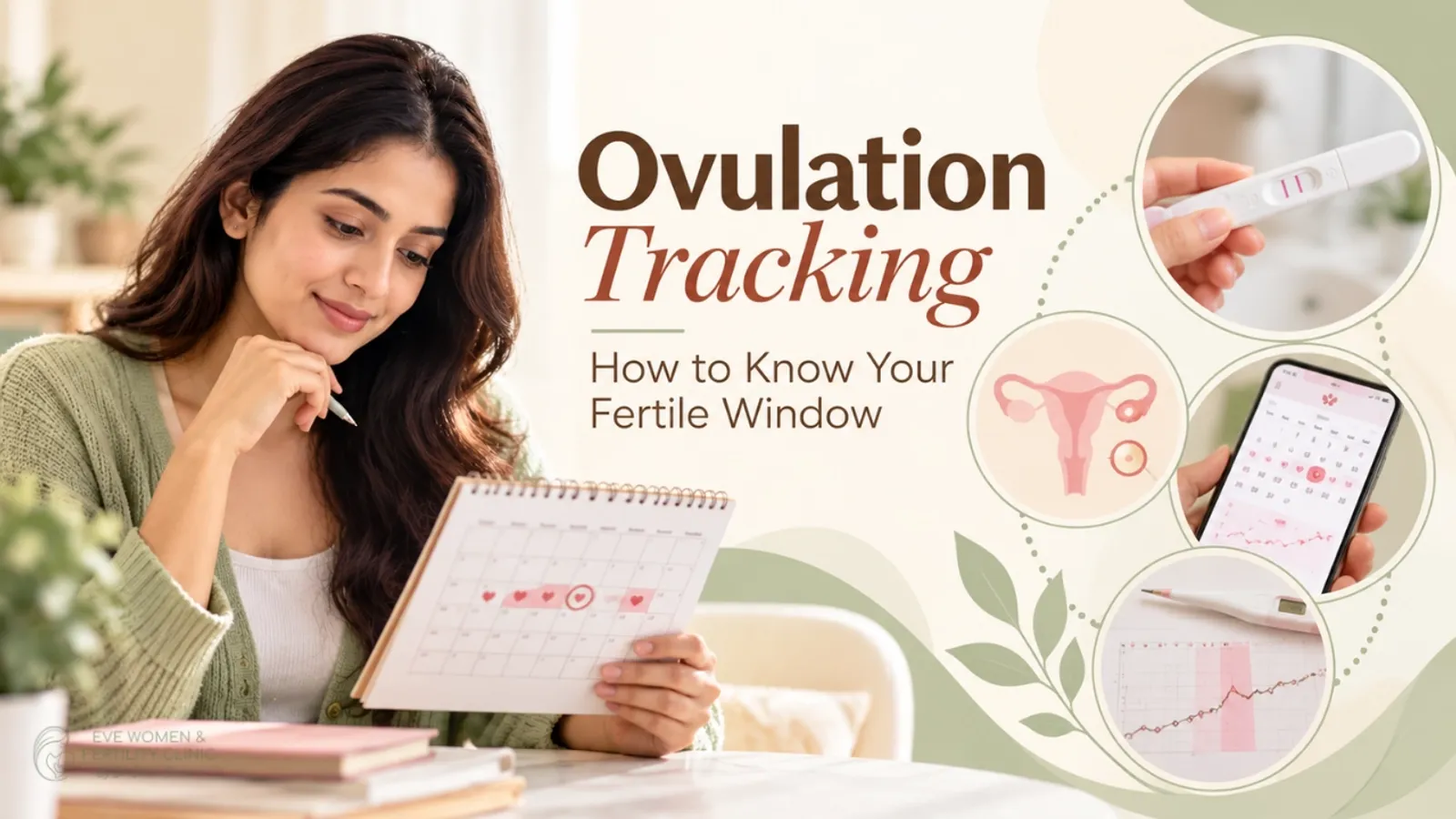
Quick answer: You can estimate ovulation by tracking your cycle, noticing cervical mucus and body signs, using urine ovulation predictor kits or having a follicular monitoring ultrasound. Intercourse every one to two days during the fertile window gives the best chance of conception. Irregular cycles make tracking harder and may need medical evaluation.
Ovulation is the release of an egg from the ovary, usually once each menstrual cycle. The egg survives for about 12 to 24 hours, while sperm can survive for up to several days in the female reproductive tract. The fertile window is the roughly six days that end on the day of ovulation.
This article is part of our IUI treatment guide.
When does ovulation happen?
In a typical 28-day cycle, ovulation occurs around day 14, but cycle lengths and ovulation timing vary. Ovulation usually happens about 12 to 16 days before the next period. In women with irregular cycles, ovulation may be unpredictable or absent.
How can you track ovulation?
Cycle tracking
Record the first day of each period for several months to understand your average cycle length. Apps estimate the fertile window but can be inaccurate for irregular cycles.
Cervical mucus
Around ovulation, mucus becomes clear, slippery and stretchy, similar to raw egg white. This indicates high fertility.
Basal body temperature
Your resting temperature rises slightly after ovulation. Tracking shows that ovulation has happened but does not predict it in advance, so it is most useful for understanding your pattern.
Ovulation predictor kits
These urine tests detect the rise of luteinising hormone that occurs about 24 to 36 hours before ovulation. A positive result signals a time to have intercourse. Women with PCOS may get misleading positives.
Ultrasound follicular monitoring
A doctor tracks follicle growth by ultrasound and may time ovulation precisely. It is useful for irregular cycles, ovulation induction and fertility treatment.
Other signs
Some women notice mild one-sided pelvic pain, increased libido, breast tenderness or light spotting.
How often should you have intercourse?
Having intercourse every one to two days during the fertile window, starting a few days before the expected ovulation, is generally recommended. You do not need to time intercourse perfectly or restrict it to a single day.
What if your cycles are irregular?
Irregular cycles may signal conditions such as PCOS, thyroid disorders or high prolactin. If your cycles are very irregular, absent or you have been trying for a year without success, see a fertility specialist. If you are over 35, seeking advice after six months is recommended.
What mistakes should you avoid?
Do not rely only on apps, do not stress over daily tracking, avoid lubricants that may harm sperm unless fertility-friendly and avoid unnecessary restrictions. Stress and obsession can affect wellbeing.
Key Takeaways
- The fertile window lasts about six days.
- Cycle tracking, mucus, kits and ultrasound help estimate ovulation.
- Intercourse every one to two days in the window is ideal.
- Irregular cycles need medical review.
- Over-tracking can create stress.
Final Thoughts
Understanding your cycle puts you in control, but you do not need to track every detail. Dr. Swati Shree at EVE Women and Fertility Clinic in Bengaluru offers ovulation monitoring and fertility guidance.
FAQs
When is the best time to get pregnant in a cycle?
The best chance of pregnancy is in the fertile window, the few days leading up to and including ovulation. Intercourse every one to two days in this window is recommended. The five days before ovulation and the day of it, because sperm survive several days but the egg lives only about a day. Regular intercourse every two to three days covers it without pressure.
How accurate are ovulation kits?
Ovulation kits detect the LH surge and are fairly reliable for most women, but results can be confusing in conditions like PCOS or when taking certain medicines. Ultrasound monitoring is more precise. Good at detecting the LH surge that precedes ovulation by about a day, but they can mislead in PCOS where LH runs high anyway. They confirm a surge, not that an egg was actually released.
Can I get pregnant if my cycle is irregular?
Yes, but ovulation timing is less predictable, and irregular cycles may signal underlying issues. See a doctor if your cycles are very irregular or you have been trying for a year. Yes, though the fertile window is harder to predict, so signs like cervical mucus or follicular scans help more than calendar counting. Investigating why cycles are irregular often reveals a fixable cause.
What is follicular monitoring?
Follicular monitoring uses serial ultrasounds to watch the growth of the egg-containing follicle and check when it is ready to release the egg. It helps time intercourse or treatments like IUI. A series of transvaginal scans across one cycle that watch the follicle grow and confirm it releases an egg. It tells you the actual fertile days and is used to time intercourse or IUI.
Does basal body temperature predict ovulation?
Temperature rises after ovulation, so it confirms ovulation in retrospect rather than predicting it. It is useful for seeing your pattern over several cycles. It confirms ovulation only after it has happened, since temperature rises once progesterone appears. Useful as a record over months, but not for timing this cycle's fertile days on its own.