How does PCOS affect fertility, and what treatment helps?
Short answer
PCOS (often called PCOD in India) is a common hormonal condition that causes irregular ovulation, but most women with PCOS can conceive with lifestyle changes and ovulation-induction treatment. Near Gunjur, I treat PCOS at every stage, from irregular periods to fertility treatment, at EVE Women and Fertility Clinic.
Many women are told they have PCOS as teenagers and then hear little more until they want a baby. The good news is that PCOS is one of the most treatable causes of difficulty conceiving. This page covers diagnosis, fertility treatment, care when you are not trying and long-term health.
What is PCOS, and is PCOD the same thing?
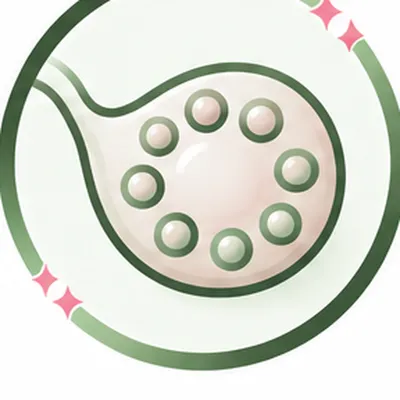
Polycystic ovary syndrome (PCOS) is a hormonal condition that affects about 10 to 13% of women worldwide, according to the International Evidence-based Guideline for the Assessment and Management of PCOS (2023). It can cause irregular or absent ovulation, higher levels of male-type hormones (androgens), and many small follicles in the ovaries. In India, "PCOD" is commonly used for the same condition.
PCOS is not only about the ovaries. It is linked with insulin resistance, weight changes, skin and hair symptoms, and mood.
How is PCOS diagnosed?
Irregular or absent ovulation,
usually shown by irregular periods
Signs of high androgens,
such as acne, excess facial or body hair, or raised levels on a blood test
Polycystic ovaries on ultrasound, or a raised AMH
(AMH can now be used instead of ultrasound in adults)


Can PCOS affect fertility even if my periods have become regular?
It depends on whether you are ovulating. Periods often become more regular with weight loss or age, and many women then ovulate normally. But a regular-looking cycle does not always mean ovulation is happening each month. A mid-luteal progesterone blood test or follicular monitoring can confirm it. If you have been trying for a year, or six months if you are over 35, see a specialist even if your periods seem normal.
How to get pregnant with PCOS
Lifestyle and weight
For women above a healthy weight, losing even 5 to 10% of body weight can restart ovulation. Regular activity helps, whatever your weight.
Ovulation-induction tablets
The 2023 guideline recommends a tablet from the aromatase inhibitor class as first-line treatment, taken for five days early in the cycle, with scans to check the response. See natural conception support.
Injectable fertility hormones (gonadotrophins)
or laparoscopic ovarian drilling, if tablets do not lead to ovulation. Injections need close scan monitoring because PCOS ovaries can over-respond.
IUI,
when ovulation is achieved but pregnancy does not follow. See IUI.
IVF,
if other steps have not worked or there are other fertility factors.


Irregular periods with PCOS: treatment when you are not trying to conceive
When pregnancy is not the goal, treatment focuses on symptoms and on protecting the womb lining. Long gaps between periods can let the lining build up, which raises the risk of endometrial problems over time.
- Combined hormonal pills regulate periods, protect the lining and can improve acne and excess hair.
- Progestogen courses bring on a period every few months if the pill is not suitable.
- An insulin-sensitising medicine may help weight and cycles, particularly with insulin resistance.
- Skin and hair treatments for acne and unwanted hair.
- Lifestyle support for weight, sleep and stress.
For teenagers with PCOS, see PCOS in teenagers.
Long-term health with PCOS
PCOS raises the risk of type 2 diabetes, high cholesterol, high blood pressure, sleep apnoea, and anxiety or depression. The 2023 guideline recommends checking blood sugar at diagnosis and every one to three years, blood pressure each year, and cholesterol, with mood screening too. South Asian women already carry a higher risk of diabetes, so these checks matter. Diabetes in pregnancy is also more common with PCOS, so early sugar testing is advised.
PCOS and egg freezing or IVF
Women with PCOS often produce many eggs during stimulation, which can help with IVF or egg freezing. The same strong response raises the risk of ovarian hyperstimulation syndrome (OHSS). Doctors lower this risk with gentler protocols, careful monitoring, a suitable trigger and sometimes freezing all embryos. EVE works in partnership with renowned fertility centres in Bangalore for the IVF laboratory steps. See IVF consultation.
PCOS care at EVE, Gunjur
At EVE, I see women with PCOS at every stage:irregular periods, skin and weight concerns, planning a pregnancy and fertility treatment. Ovulation-induction cycles and IUI are planned and done at the clinic, with follicle scans at a radiology centre that I review at each step. Couples come from Gunjur, Varthur, Sarjapur Road and Whitefield, and the clinic is open Monday to Saturday, 11 am to 8 pm, and Sunday, 10 am to 4 pm.
Trying to conceive can be stressful. It is fine to ask for counselling support at any stage.
In short
- PCOS affects about 10 to 13% of women, and most can conceive with treatment.
- Diagnosis follows the 2023 guideline, with AMH allowed in adults only.
- Lifestyle change and an aromatase inhibitor tablet are the usual first steps.
- When not trying, the focus is regular periods, protecting the lining and symptoms.
- Long-term checks for blood sugar, blood pressure, cholesterol and mood are advised.
Next step
PCOS is manageable, and a clear plan makes a big difference. To discuss your symptoms or fertility plans, book a consultation with Dr. Swati Shree at EVE Women and Fertility Clinic, Gunjur, Bangalore, on +91 72049 21212.
Medical Disclaimer: This article is for educational purposes only and does not replace professional medical advice. Fertility treatment outcomes vary from person to person. Please consult a qualified doctor for diagnosis and treatment.
Frequently asked questions
Does PCOS ever go away?
PCOS is a long-term condition, but symptoms often change over time and can be well controlled. Periods may become more regular with weight loss or as women get older. Treatment manages ovulation, periods, skin and long-term health. Many women with PCOS live with very few symptoms once they have a plan that suits them.
Do I need to lose weight to get pregnant with PCOS?
Not always. Women at a healthy weight can also have PCOS and conceive with treatment. For women above a healthy weight, losing 5 to 10% of body weight can restart ovulation and makes fertility treatment safer and more effective. Your doctor can start treatment while you work on weight, rather than waiting.
Is an insulin-sensitising medicine needed for fertility?
Usually not as the first choice. The 2023 international guideline prefers an aromatase inhibitor tablet for ovulation induction. An insulin-sensitising medicine may be added for women with insulin resistance, a higher weight or poor response to tablets. Your doctor will explain whether it fits your situation and what side effects to expect.
Can thin women have PCOS?
Yes. PCOS occurs at every body weight. Lean women with PCOS may still have irregular ovulation, high androgens and insulin resistance. Treatment focuses on ovulation and symptoms rather than weight loss. If you are thin but have irregular periods, acne or excess hair, it is worth being checked.
Does PCOS cause miscarriage?
PCOS is linked with a slightly higher risk of miscarriage in some studies, often related to weight, insulin resistance or blood sugar rather than PCOS itself. Good control of these before and during pregnancy helps. If you have had more than one loss, a full evaluation is advised. See recurrent pregnancy loss.
Are PCOS supplements such as inositol useful?
The 2023 international guideline considers inositol experimental, with limited and uncertain evidence for improving ovulation or pregnancy. Supplements are not regulated like medicines, and quality varies. If you are taking or considering any supplement, tell your doctor, so it can be checked and proven treatment is not delayed.
हिंदी में
पीसीओडी और प्रेग्नेंसी
PCOS (जिसे भारत में अक्सर PCOD कहते हैं) एक आम हार्मोनल समस्या है जिसमें ओव्यूलेशन अनियमित होता है। ज़्यादातर महिलाएं जीवनशैली में बदलाव और ओव्यूलेशन की दवा से गर्भवती हो सकती हैं। गुंजूर के EVE क्लिनिक में डॉ. स्वाति श्री अनियमित पीरियड से लेकर फर्टिलिटी इलाज तक PCOS की देखभाल करती हैं। अपॉइंटमेंट के लिए +91 72049 21212 पर कॉल करें।
ಕನ್ನಡದಲ್ಲಿ
ಪಿಸಿಒಡಿ ಚಿಕಿತ್ಸೆ ಗುಂಜೂರು
PCOS (ಭಾರತದಲ್ಲಿ PCOD ಎಂದೂ ಕರೆಯುತ್ತಾರೆ) ಅಂಡೋತ್ಪತ್ತಿಯನ್ನು ಅನಿಯಮಿತಗೊಳಿಸುವ ಸಾಮಾನ್ಯ ಹಾರ್ಮೋನ್ ಸಮಸ್ಯೆ. ಜೀವನಶೈಲಿ ಬದಲಾವಣೆ ಮತ್ತು ಅಂಡೋತ್ಪತ್ತಿ ಚಿಕಿತ್ಸೆಯಿಂದ ಹೆಚ್ಚಿನ ಮಹಿಳೆಯರು ಗರ್ಭಿಣಿಯಾಗಬಹುದು. ಗುಂಜೂರಿನ EVE ಕ್ಲಿನಿಕ್ನಲ್ಲಿ ಡಾ. ಸ್ವಾತಿ ಶ್ರೀ ಅವರನ್ನು ಸಂಪರ್ಕಿಸಿ. ಅಪಾಯಿಂಟ್ಮೆಂಟ್ಗಾಗಿ +91 72049 21212 ಗೆ ಕರೆ ಮಾಡಿ.
Questions this page answers
- What is PCOS, and is PCOD the same thing?
- How is PCOS diagnosed?
- Can PCOS affect fertility even if my periods have become regular?
- Does PCOS ever go away?
- Do I need to lose weight to get pregnant with PCOS?
- Is an insulin-sensitising medicine needed for fertility?
- Can thin women have PCOS?
- Does PCOS cause miscarriage?
- Are PCOS supplements such as inositol useful?
Sources
- Teede HJ, et al. Recommendations from the 2023 International Evidence-based Guideline for the Assessment and Management of Polycystic Ovary Syndrome. Monash University, ESHRE and ASRM, 2023.